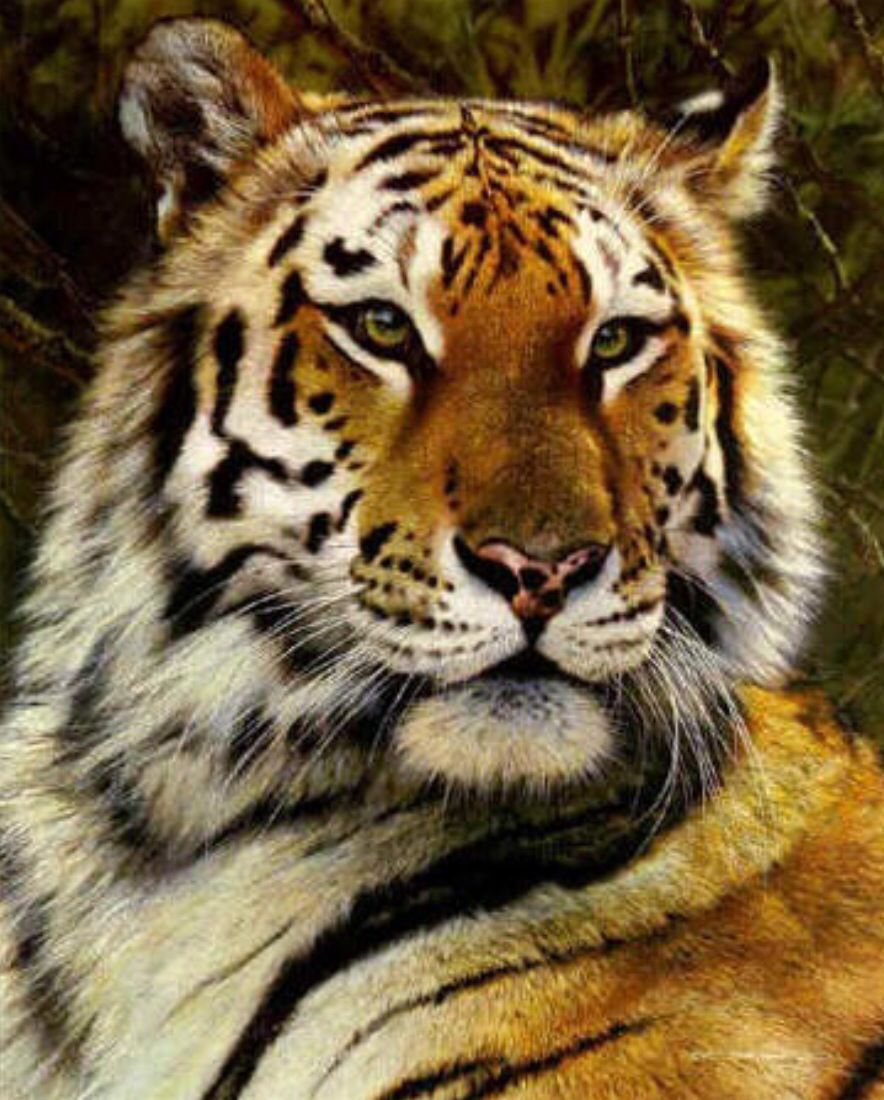
Pilibhit Tiger Reserve: The Wild Heart of Uttar Pradesh and the Magic of Chuka Beach
There are places in India where you don’t just visit — you disappear into them. Pilibhit Tiger Reserve is one of those places. Tucked away in the northeastern corner of Uttar Pradesh, right along the India-Nepal border, this reserve has been quietly earning its reputation as one of the finest wildlife sanctuaries in the country. And yet, for the casual traveller flipping through weekend getaway lists, it rarely shows up. That’s exactly what makes it so special.
Pilibhit Tiger Reserve — or PTR as wildlife enthusiasts fondly call it — spans roughly 730 square kilometres of dense sal forests, rippling grasslands, canal networks, and marshy wetlands in the Terai region of UP. It was officially declared India’s 45th Tiger Reserve in 2014, but the forests here have been home to the Bengal tiger long before any government notification. Today, with over 65 resident tigers (some estimates put the number closer to 90), Pilibhit Tiger Reserve stands as one of the most tiger-dense forests in all of northern India — and in many ways, the best tiger reserve in UP.
But tigers are only part of the story. Because somewhere inside Pilibhit Tiger Reserve, where the jungle thins out and the Sharda Sagar Dam stretches its shimmering waters to the horizon, lies something truly unexpected — Chuka Beach, the only forest beach in the entire state of Uttar Pradesh. It sounds like a contradiction, and honestly, that’s exactly what it is. In the most wonderful way.
A Forest Born From History: How Pilibhit Tiger Reserve Came to Be
The history of Pilibhit Tiger Reserve is not a simple conservation story. These forests were once the private hunting grounds of royalty and British officials during the colonial era. Tigers, leopards, elephants — all were hunted here with impunity, and the forests bore the scars. But the land has a remarkable way of healing itself when given the chance.
The area received protection as a reserved forest as far back as 1936, and when Project Tiger was launched, Pilibhit’s ecological significance could no longer be overlooked. By 2008, it was brought under the Project Tiger umbrella, and six years later, the Government of India and the National Tiger Conservation Authority (NTCA) formally declared it a Tiger Reserve. What followed was extraordinary. In a period when tiger numbers across India remained a concern, Pilibhit Tiger Reserve achieved something remarkable — it doubled its tiger population within the stipulated timeframe set by the TX2 global initiative, becoming the first reserve in the world to win the prestigious TX2 International Award for this achievement.
That’s not just a conservation milestone. That’s a statement about what this forest is capable of when left to thrive.
Why Pilibhit Tiger Reserve Is the Best Tiger Reserve in UP
Uttar Pradesh has several wildlife sanctuaries, but when seasoned wildlife enthusiasts and photographers are asked which is the best tiger reserve in UP, the answer increasingly points to Pilibhit. The reasons are many.
Tiger Density and Sighting Probability.
Pilibhit Tiger Reserve boasts one of the highest tiger densities in the Terai region. Wildlife photographers who have done safaris across multiple reserves in India often remark that Pilibhit offers consistently better tiger sighting probability than many more famous destinations. The terrain — a mix of dense sal cover, open grasslands, and canal corridors — creates a natural channelling effect where tigers frequently cross paths with safari vehicles. Veteran travellers report spotting tigers on five out of six safaris here, which is a statistic that’s difficult to match anywhere else in northern India.
The Terai Male Tiger — Bigger and Bolder
There’s something wildlife lovers who visit Pilibhit Tiger Reserve often comment on — the male tigers here are noticeably larger than those in other reserves. The Terai ecosystem, with its abundant prey base and lush habitat, supports bigger cats. Standing at the edge of a forest trail and watching one of these magnificent animals stride across the path is an experience that stays with you long after you’ve left.
Extraordinary Biodiversity
Pilibhit Tiger Reserve is home to more than 127 animal species and over 400 species of birds, making it a serious rival to any eco-tourism destination in the country. Alongside Bengal tigers and leopards, the reserve shelters swamp deer (barasingha), hog deer, sambar, chital, sloth bears, hyenas, fishing cats, smooth-coated otters, Indian giant flying squirrels, mugger crocodiles, pythons, and four-horned antelopes. The reserve forms a critical part of the Terai Arc Landscape — a biodiversity corridor linking Dudhwa National Park, Kishanpur Wildlife Sanctuary, and Katarniaghat Wildlife Sanctuary. This means animals move freely across a vast protected ecosystem, and the genetic diversity of the tiger population here remains healthy.
The Jungle Safari Experience at Pilibhit Tiger Reserve
The jungle safari at Pilibhit Tiger Reserve is organised through three major entry points: Mahof Gate (Zone 1), Barahi Gate (Zone 2), and Mustafabad Gate (Flexible Zone Access). Each gate leads into a distinct ecological zone with its own character and wildlife richness, and together they give visitors a comprehensive picture of what this vast forest contains.
Mahof Gate is arguably the crown jewel of the Pilibhit Tiger Reserve safari network. The approach through towering sal trees creates a natural forest tunnel, and with every bend in the track, the suspense builds. Mornings here begin with mist rolling over the forest floor and fresh tiger pugmarks pressed into the mud. The alarm calls of spotted deer and langurs signal feline presence before you even see the cat. Wildlife photographers particularly love this zone for its stable tiger habitat and abundant prey.
Barahi Gate offers a different landscape — more open grasslands, wider vistas, and greater tiger mobility across the terrain. Mustafabad Gate, meanwhile, gives visitors the unique flexibility to choose between Zone 1 and Zone 2 on the day itself, depending on permits and actual wildlife activity. Safaris are conducted in open six-seater gypsies accompanied by trained forest guides and naturalists. Morning safaris begin around sunrise, and afternoon sessions run until sunset, with exact timings varying slightly by season.
The safari tracks in Pilibhit Tiger Reserve wind through an unusually varied terrain — rivers, irrigation canals, steep forest paths, open meadows. This diversity of micro-habitats means that even a single safari can yield sightings of tigers, crocodiles, deer herds, and kingfishers, all within the same morning. It’s the kind of experience that reminds you why wild India is worth protecting.
Chuka Beach: The Only Forest Beach in Uttar Pradesh
If Pilibhit Tiger Reserve is the destination, then Chuka Beach is the surprise inside it — the detail that makes the trip unforgettable. Tucked within the Mustafabad Range of the reserve, along the broad waters of the Sharda Sagar Dam, Chuka Beach is unlike anything else in Uttar Pradesh. Or really, in any landlocked state.
The dam itself stretches 22 kilometres along the boundary of Pilibhit Tiger Reserve, and where its waters meet the sandy forest floor, you get something genuinely surreal — a stretch of soft sand, lapping water, golden light, and all around you, dense jungle. People who visit Chuka Beach often say it feels like someone picked up a coastal beach and quietly dropped it into the middle of a tiger forest. Some visitors have compared the atmosphere to Goa, though the comparison only holds in mood. The stillness here is something Goa will never have.
Sunrise and Sunset at Chuka Beach
Mornings at Chuka Beach begin with the kind of golden sunrise that makes photographers weep with gratitude. The light spreads slowly across the dam waters, and if you’re quiet enough, you’ll hear the forest wake up around you — first the birds, then the insects, then somewhere in the distance, the call of a deer. Evenings are equally stunning. The sunset paints the water in colours that shift from amber to violet, and as darkness falls, the stars above Chuka Beach are the kind you only see far from city light.
A Birdwatcher’s Paradise
For birdwatchers, Chuka Beach during winter is simply extraordinary. The irrigation canals, wetland patches, and reservoir waters of Pilibhit Tiger Reserve create a rich ecosystem that draws migratory birds from Central Asia and the Himalayan foothills. Kingfishers dart low over the water. Herons stand motionless in the shallows. Enormous flocks of waterfowl settle on the dam. Bar-headed geese, great hornbills, Indian peafowl, Bengal floricans — the list of species spotted here reads like a serious ornithologist’s wish list. With over 400 bird species recorded across Pilibhit Tiger Reserve, Chuka Beach sits at the heart of one of India’s most important avian habitats.
Staying at Chuka: Tree Houses and Eco-Huts
One of the most memorable things you can do at Pilibhit Tiger Reserve is spend the night at Chuka. The Forest Department has developed a set of eco-friendly accommodations here that walk the careful line between comfort and conservation. There are tree houses — elevated on wooden structures built with eco-friendly materials, overlooking the dam — as well as wooden cottages and eco-huts nestled among the sal trees. These aren’t luxury resorts, and they’re not trying to be. They’re rustic, intentionally so, and that’s precisely their charm. Falling asleep to the sound of the dam and the distant calls of the forest is an experience that no five-star hotel can replicate.
Visitors to Chuka Beach within Pilibhit Tiger Reserve need to obtain entry permits from the Forest Department — a simple process that also contributes directly to conservation funding. Safari packages typically include Chuka in their itinerary, and it’s highly recommended to combine a morning safari with an evening spent at the beach.
The Wildlife of Pilibhit Tiger Reserve: More Than Just Tigers
It would be easy to come to Pilibhit Tiger Reserve only for the tigers and miss everything else. Don’t make that mistake. The ecological diversity of this reserve is staggering, and every habitat within it offers its own cast of characters.
The dense sal forests are the domain of leopards, sloth bears, and the elusive fishing cat. The tall grasslands — some of the most intact wet grasslands remaining in northern India — shelter barasingha (swamp deer) in herds that can number in the dozens, along with hog deer and the rare Bengal florican. The waterways and canal systems of Pilibhit Tiger Reserve host mugger crocodiles basking on banks, smooth-coated otters playing in the shallows, and the enormous Indian rock python, which has been documented in virtually every habitat zone of the reserve. In 2010, a rusty-spotted cat — one of the world’s smallest wild cat species — was recorded on camera trap here for the first time in the region.
The reserve’s location along the Nepal border also means it acts as a wildlife corridor for Indian elephants moving between the two countries — a reminder that Pilibhit Tiger Reserve is not an island of wilderness but part of a larger, functioning ecosystem that crosses geopolitical boundaries.
Best Time to Visit Pilibhit Tiger Reserve
The reserve is open to visitors from November through June. The monsoon months of July to October bring the forest to a lush, green standstill — but the roads become impassable and safaris are suspended for conservation and safety reasons.
November to February is when Pilibhit Tiger Reserve is at its most magical for most visitors. The weather is cool and clear, wildlife is highly active, and the winter migratory birds turn Chuka Beach and the surrounding wetlands into a birdwatcher’s paradise. This is the season to wrap yourself in a shawl and sit quietly at the dam’s edge as the sun comes up over the water.
March to June brings the summer months, which many tiger enthusiasts actually prefer. As the water sources dry up across the forest, animals concentrate around rivers, canals, and waterholes, making sightings more predictable. Tiger sighting rates — already impressive at Pilibhit Tiger Reserve — climb even higher during this period. The heat can be intense, particularly in May and June, so early morning safaris become essential, but the rewards are significant.
Getting to Pilibhit Tiger Reserve
Pilibhit is well-connected by road and rail. The nearest major railway junctions are Pilibhit and Puranpur, both of which have regular train services connecting them to Delhi, Lucknow, and other major cities. By air, the closest airport is Pantnagar Airport in Uttarakhand, approximately 100 kilometres from the reserve. From Pilibhit town, Chuka Beach and the Mustafabad Gate are accessible by road — a scenic drive that itself passes through the outer edges of the Terai forest. The Forest Department address for correspondence is Mustafabad, Tahsil Kalinagar, District Pilibhit, Uttar Pradesh.
Eco-Tourism and Conservation at Pilibhit Tiger Reserve
What makes Pilibhit Tiger Reserve genuinely admirable — beyond its raw wildlife spectacle — is the thoughtfulness of its eco-tourism model. Tourism here is tightly managed to minimise habitat disturbance. Safari vehicles operate within designated corridors, noise restrictions are enforced, and the accommodation at Chuka Beach has been designed to leave the smallest possible footprint. Flash photography is prohibited, feeding animals is strictly banned, and every visitor is accompanied by a trained naturalist.
The local communities surrounding Pilibhit Tiger Reserve play an important role in this model. Many of the guides, naturalists, and support staff at the reserve come from Tharu and other indigenous communities that have lived alongside this forest for generations. Their traditional ecological knowledge — passed down through centuries of coexistence with tigers, elephants, and the monsoon — is woven into the fabric of the visitor experience. When you interact with a Pilibhit Tiger Reserve guide, you’re not just getting someone who can identify pugmarks. You’re getting someone who understands this land the way only deep familiarity can bring.
The Eco Tourism Society of India and Uttar Pradesh’s own eco-tourism body have both recognised Pilibhit Tiger Reserve as a model of sustainable wildlife tourism. Every safari booking, every eco-hut night, every entry permit fee — all of it feeds directly back into the conservation machinery that keeps this forest and its tigers thriving.
Final Thoughts: Why Pilibhit Tiger Reserve Deserves to Be on Your List
There’s a certain kind of travel that doesn’t just take you somewhere — it changes the way you think about a place you thought you already knew. Uttar Pradesh, to many Indian travellers, means the Golden Triangle, the Taj Mahal, Varanasi’s ghats. But Pilibhit Tiger Reserve offers something entirely different: the raw, unfiltered experience of wild India at its most extraordinary.
Whether you’re tracking a Bengal tiger through mist-covered sal trees at Mahof Gate, or sitting quietly at Chuka Beach as the Sharda Sagar Dam reflects a sky full of migrating birds — Pilibhit Tiger Reserve rewards the patient and the curious in equal measure. It is, without question, the best tiger reserve in UP, and Chuka Beach — that improbable, irreplaceable forest shore — is its most beautiful secret.
Come to Pilibhit Tiger Reserve for the tigers. Stay for everything else. You’ll leave having seen a part of India that most people don’t know exists — and you’ll spend a long time after wondering why you waited so long to find it.
Quick Facts: Pilibhit Tiger Reserve
• Location: Pilibhit district, Uttar Pradesh, India (near the Indo-Nepal border)
• Area: Approximately 730 sq. km (core + buffer)
• Established as Tiger Reserve: 2014 (India’s 45th Tiger Reserve)
• Tiger Population: 65+ resident Bengal tigers
• Safari Gates: Mahof Gate (Zone 1), Barahi Gate (Zone 2), Mustafabad Gate
• Safari Timings: Morning 6:00 AM – 9:30 AM | Evening 2:00 PM – 5:30 PM (seasonal variation)
• Best Time to Visit: November to February (birdwatching); March to June (tiger sightings)
• Chuka Beach: Located in Mustafabad Range, along Sharda Sagar Dam
• Key Wildlife: Bengal tigers, leopards, swamp deer, sloth bears, crocodiles, 400+ bird species
• Notable Distinction: First reserve to win the TX2 International Award for doubling tiger population